Vitamin D, a fat-soluble nutrient also called Sunshine Vitamin is produced by your body when it is exposed to sunlight. This is why it is considered more of a prohormone than a vitamin.
The UV-B rays of the sun convert the lipids in your skin to calciol, which is Vitamin D3. This precursor is converted into calcidiol by the liver, and then into calcitriol in the kidneys.
Why Vitamin D is Important for the Body
Vitamin D can regulate a variety of bodily functions and affect up to 2000 genes within your body. It has multiple functions, including:
- Optimizing calcium and phosphorus absorption
- Healthy bones and teeth
- Supporting Growth and Development
- The skeletal frame is strengthened by adding tensile strength
- Improve the function of your muscles, ligaments, and joints
- Boost your brain, immune, and nervous system
- Sugar balance is maintained by regulating insulin levels
- Supporting cardiovascular and lung health
- Modulating cell growth and gene expression that influences cell proliferation, differentiation, and apoptosis.
Vitamin D is essential for the proper functioning of your body. You should ensure that you are getting enough of it every day. Vitamin D supplements are necessary because sun exposure can be difficult and food sources are limited.
It is a fact that vitamin D derived from organic sources will be more bioavailable than those synthesized chemistically. This is why our vitamin D-fortified supplements differ from others on the market.
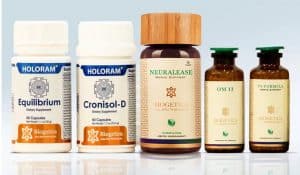
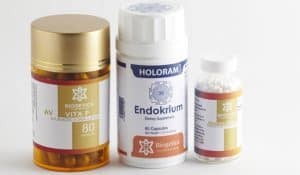
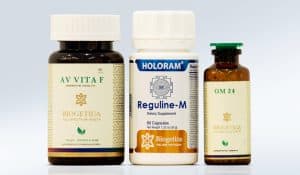
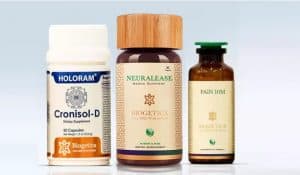
Biogetica’s Vitamin D products are made from 100% natural food, are organic, and are encapsulated into vegetarian capsules. They are also free of preservatives. This means that they are living foods and can spin photons. Synthetic vitamins contain dead molecules which do not produce photons. Many doctors believe these synthetic molecules are not assimilated by the body, and eventually break down to the chemicals from which they came.
Our multidisciplinary range of organic, easily assimilable, and bioavailable products is a combination of ayurvedic herbal extracts and essential micronutrients that will benefit you in many ways. Contact our doctors to determine which one is best for you.
Sources of Vitamin D in Food
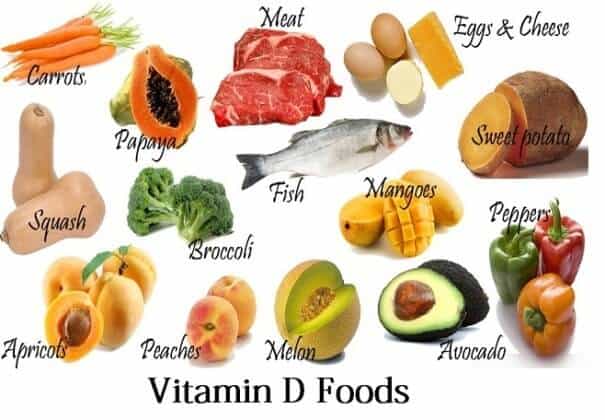
Vitamin D is synthesized primarily with the aid of sunlight. Nevertheless, some foods are fortified with vitamin D. Salmon, shrimp, and Egg yolks are foods that naturally contain vitamin D. Fortified foods include milk, oranges, yogurt, and cereals.
Daily Recommended Requirement for Vitamin D
The Institute of Food and Agricultural Sciences has released new recommendations based on international units (IUs). Vitamin IUs are recommended as follows:
- Children and adolescents: 600 IU
- Adults aged 20-50: 600 IU
- For older adults aged 70 and over 800 IU
- For women who are pregnant or breastfeeding: 600 IU
What are the Effects of Vitamin D Deficiency
Vitamin D deficiency can occur in:
- Limit your exposure to sunlight
- The intake of the usual is less than recommended
- The digestive system is not able to absorb enough vitamin D
- The kidneys are unable to convert vitamin D precursor into its active form
- Dark-skinned people have more melanin pigment, which reduces their skin’s ability for vitamin D to be produced by sunlight
- Fat malabsorption is a common condition in people with Inflammatory Bowel Disease and other conditions.
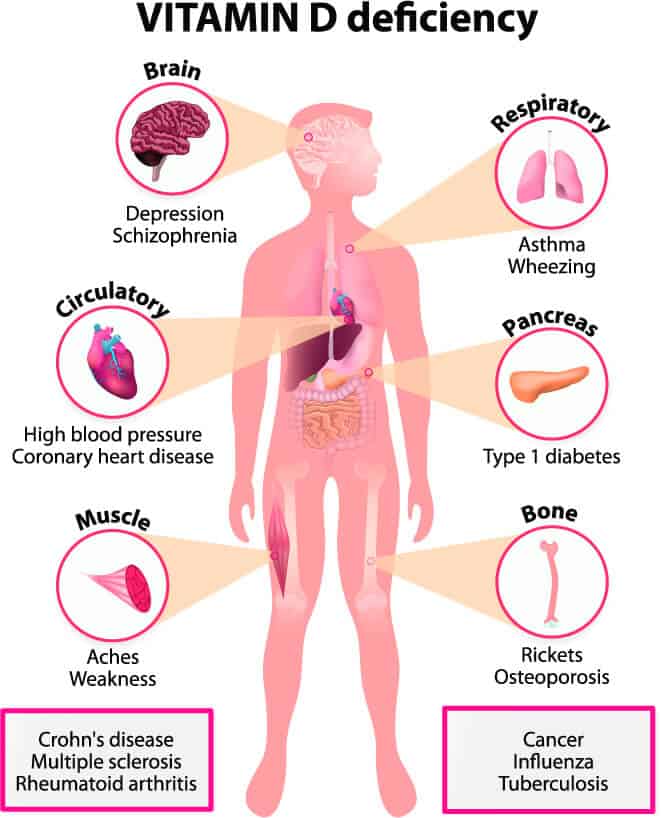
Vitamin D deficiency can lead to rickets (soft bones), depression, asthma (brittle bone), osteomalacia, hypertension (high blood pressure), coronary heart disease, and aches and discomforts.
Biogetica protocols combine essential micronutrients like vitamin D with other ayurvedic ingredients that have been clinically studied and homeopathic attenuations to create a holistic regimen that works synergistically in bringing your body back into balance.
Click Here for a Free Consultation with Our Ayurvedic or Homeopathic Specialists!
Clinical studies were done on the therapeutic effects of Vitamin D
A variety of clinical studies have evaluated the therapeutic properties of Vitamin D.
- Vitamin D and Immunology
Numerous studies have shown that Vitamin D appears to protect against infectious diseases like Candida and tuberculosis and autoimmune diseases including multiple sclerosis and Rheumatoid Arthritis and Systemic Lupus Erythematosus.
- Vitamin D and Neurodegenerative Disorders
In vitro and in-vivo research has shown that vitamin D is beneficial in protecting and maintaining neuronal cells, improving visual memory, and improving depression, Alzheimer’s, and Parkinson’s diseases. There is limited evidence that vitamin D can improve sleep functions.
- Vitamin D and Musculoskeletal Disorders
Vitamin D is known to help in the development and maintenance of healthy bones. Supplementation with vitamin D has been studied in a variety of conditions, including fractures and osteoporosis. The nutrient is also known to help strengthen muscles and bones in conditions that affect the musculoskeletal systems.
- Vitamin D and a Healthy Heart
Vitamin D is believed to regulate blood tension and suppress arherogenesis. It also benefits cardiovascular health.
Here are a few highlights from the many studies on Vitamin D that have been conducted and continue to be done.
Biogetica’s goal is to provide holistic solutions. It researches and blends the best ingredients to create a synergistic effect that harmonizes your body.
We’ve included this natural ingredient in our protocols to support the health of the bones, cardiovascular system, nervous and immune systems, among others.
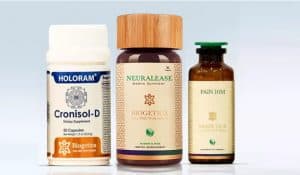
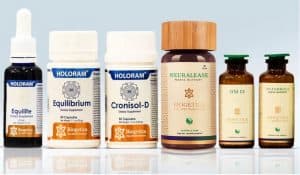
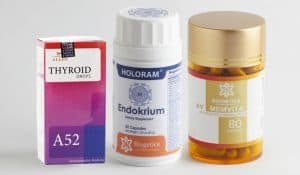
Vitamin D is found in many of our most popular products, including:
- AV NATURVIT: 100% food-based natural and organic multivitamin for total body health
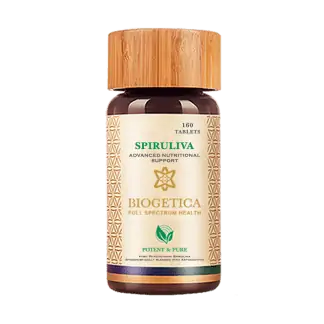
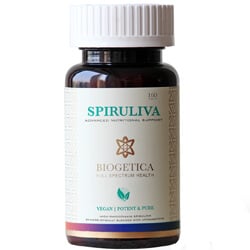
- SpiruLiva: Potent nutritive and antioxidant with ingredients that have been shown to cross the blood-brain barrier to provide health at the cellular level
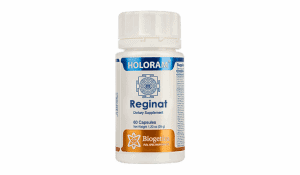
- Reginat: For Total Body Rejuvenation
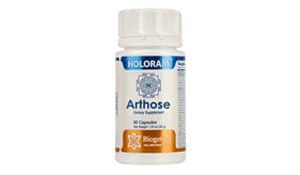
- Arthrose: Advanced Joint Support
To view our entire range of Natural Health Protocols or consult our doctors on any health-related concern, visit www.biogetica.com now.

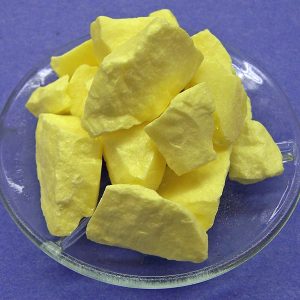 Sulphur is a well-known homeopathic remedy. It is commonly used for itchy skin infections owing to its traditionally believed antiseptic and cleansing properties. Clinical evidence suggests that this homeopathic remedy may help in improving the immune system against parasitic infections.
 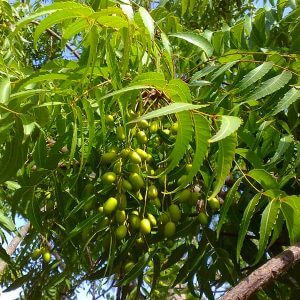 The neem tree (Azadirachta indica) is one of the most versatile herbs found in nature. It is traditionally believed to possess analgesic, antiparasitic, anti-inflammatory, and antibacterial properties. Neem’s active constituents are also said to numb pain and relieve itching. In a pilot study, 97% of the 814 scabies cases obtained complete relief within 3 to 15 days of using a herbal protocol of neem and Curcuma.
 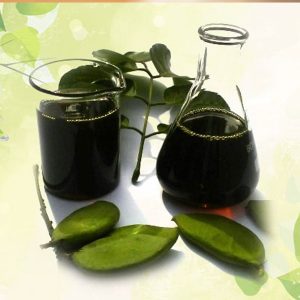 This is another popular ayurvedic oil prepared from the seeds of the Karanja Tree (Pongamia glabra) . The oil is traditionally used for its antiseptic, insecticidal, anti-parasitic, and cleansing properties. The oil has also been tested for its role in skin infections and it has been reported that karanja possesses potent anti-scabies and anti-leprotic activity.

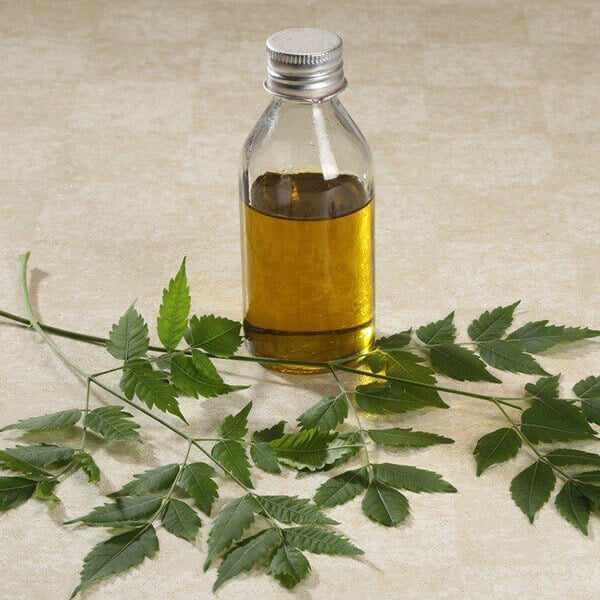 The neem tree (Azadirachta indica) is one of the most revered herbs in Ayurvedic medicine. It is traditionally believed to possess analgesic, antiparasitic, anti-inflammatory, and antibacterial properties. Several clinical studies have supported neem oil’s use in treating scabies. In an in-vitro experiment, 200 mg neem oil caused a 100 percent mortality rate on scabies mites after being exposed to the oil for four and a half hours.
 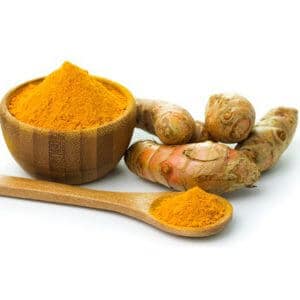 This herb has been fervently studied for its immune boosting, antimicrobial, anti-inflammatory, and protective properties. Several studies have highlighted its potential in boosting immunity against foreign invaders. Results of a pilot study evaluating 814 patients with scabies reported that 97% of the participants were found to be completely relieved of scabies after applying a paste of neem and turmeric for a period of 3-15 days. Moreover, no toxic or adverse reactions were observed.
 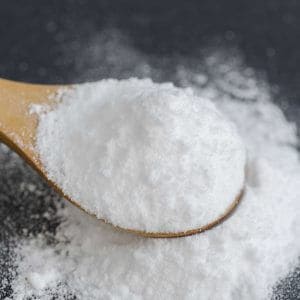 Borax is a naturally-occurring mineral composed of sodium, boron, oxygen, and water. Scientific research has indicated that borax possesses inherent anti–inflammatory, insecticidal, virucidal, and fungicidal properties. It is a potential antidote to fluoride toxicity, boosts immunity, promotes healing of wounds, regulates hormone production, and enhances memory.
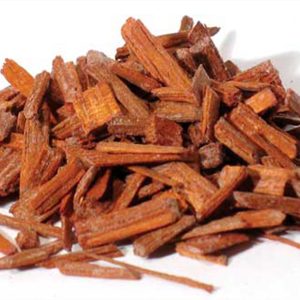 Sandalwood is a reliable Ayurvedic remedy known for its multifarious properties. However, it is best used for promoting and nourishing the health of the skin. Studies on this ingredient have highlighted that it is a natural disinfectant, possesses powerful antimicrobial properties, and helps in subsiding inflammation, skin redness, and sore skin. Plus, it exerts a cooling, soothing and emollient effect on application.
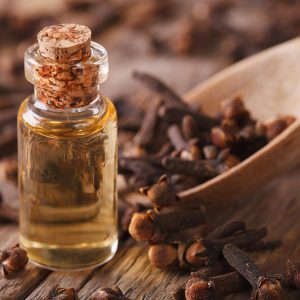 Although clove oil has been popularly used as a traditional toothache remedy, phytochemical evaluations have identified analgesic, antioxidant, anesthetic, anti-bacterial, and anti-inflammatory properties in it. Clove oil’s active constituent eugenol has been studied for its inhibitory effect on the scabies mite.
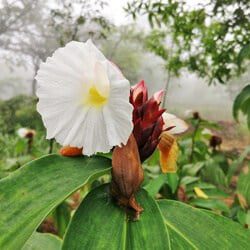
 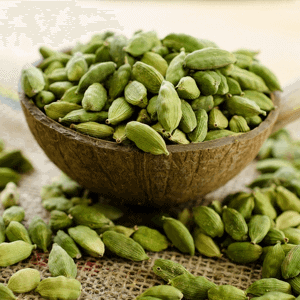 Cardamom is a popular kitchen spice normally used for its distinctive taste and flavor. However, it is also endowed with several health-promoting properties. It is traditionally believed to possess antioxidant, detoxifying, rejuvenating, anti-infective, circulation-enhancing, anti-inflammatory, and antiseptic properties. It is also recommended for boosting immunity and maintaining healthy skin.
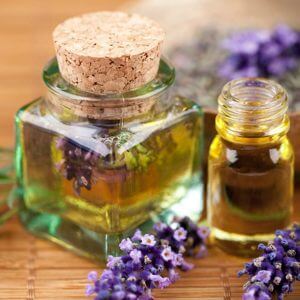 Tea tree oil has been traditionally used as an antiseptic and anti-inflammatory. Many clinical studies have tested its effects as an acaricidal, antiparasitic, and emollient agent. It has been shown to relieve burning, itching, inflammation, and scaling. A recent study highlighted that tea tree oil has a relevant spectrum of activity against scabies mites with potential antimicrobial, anti-inflammatory, and putative anti-itch properties along with it also being an effective antipruritic that alleviates the itchiness of the skin and reduces the burden from a scabies infection.

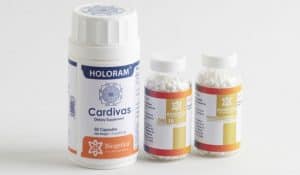
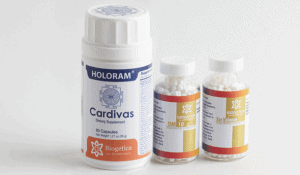
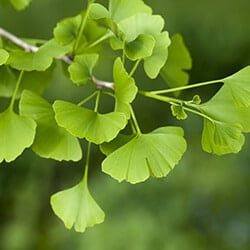 This herb has been reported to possess antioxidant, antiplatelet, anti-hypoxic, antiedemic, hemorheological (
 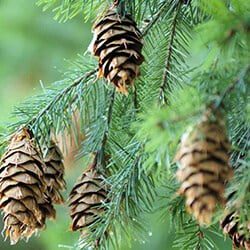 This active bioconstituent extracted from the bark of the French maritime pine has been studied for its potential benefits in lowering blood sugar, improving hearing and sense of balance, boosting immunity, reducing inflammation, protecting the skin, increasing energy, and enhancing functions of the male reproductive organs. Several clinical studies have verified the therapeutic benefits of pycnogenol. One of the studies highlighted that pycnogenol improved local microcirculation thereby correcting tinnitus and Meniere’s disease in 87% of the patients vs 35% that showed improvement from the control group.
 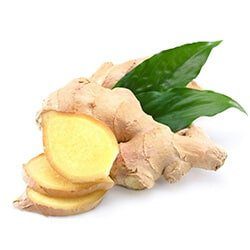 This natural ingredient is traditionally used for improving digestion, soothing gut irritation, alleviating stomach pain and cramps, easing nausea, dizziness, and vomiting, protecting joints, tissues, and cartilages, boosting cognitive and brain functions, rejuvenating nerve cells, enhancing immunity, and improving circulation and cardiac functions. A double-blind crossover placebo trial indicated that ginger significantly reduced vertigo better than the placebo.
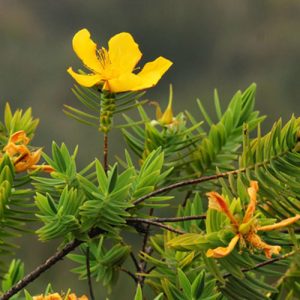 Studies suggested that Hypericum mysorense may boost immunity and inhibit viral spread by directly interfering with the replication of the viral cells.
 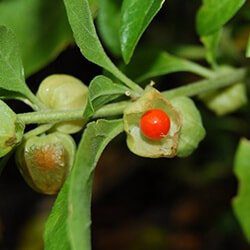 Studies suggest that Withania somnifera possesses profound antiproliferative properties. It has displayed the ability to repress HPV E6 and E7 oncogenes leading to growth inhibition of cervical cancer cells.
 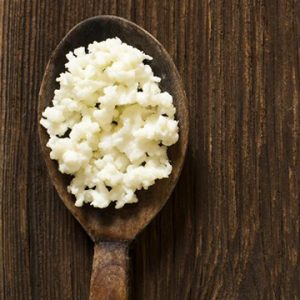 Monolaurin is a derivative of Lauric acid and studies on monolaurin have shown that it potentially dissolves viral envelopes thereby making the infective agents more vulnerable to the immune system.
 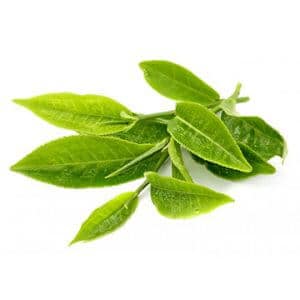 Reports from three randomized, double-blind, placebo-controlled studies suggested that active constituents from green tea significantly supported complete clearance of external warts and recurrence rates were also very low.
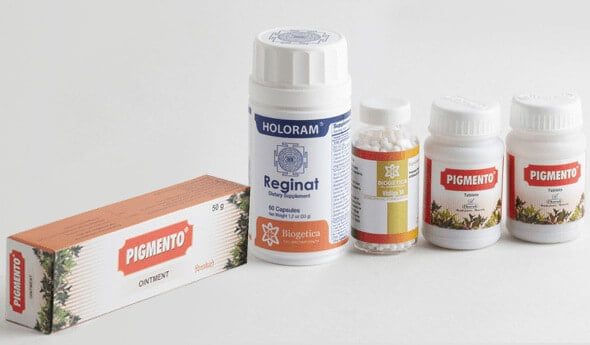



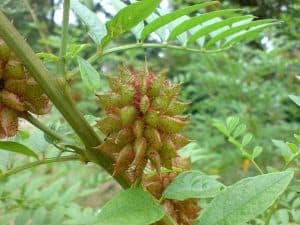

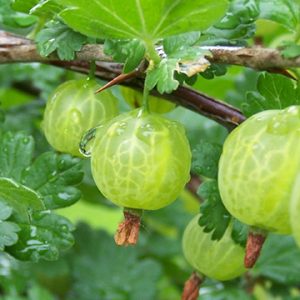 This herb is widely used in traditional medicines for its versatile properties. An in vitro study to determine the efficacy of the herb on HPV cancer cells reported that Phyllantus emblica inhibited transcription of viral oncogenes responsible for the development and progression of cervical cancer thus indicating its possible utility for the treatment of HPV-induced cancers.